Sustainability is no longer a buzzword; it has become an essential consideration in every aspect of construction and renovation. Choosing sustainable materials is not just about doing right by the environment; it can lead to cost savings, improved energy efficiency, and enhanced property value. However, navigating through the myriad options available can be overwhelming. This is where the expertise of professionals, such as roofing contractors, becomes invaluable.
Understanding Sustainable Materials
Sustainable materials are those that have a minimal negative impact on the environment throughout their lifecycle. This includes sourcing, production, transportation, usage, and disposal. When selecting materials for your roofing project or any other construction endeavor, consider factors like renewability, energy consumption during production, and the potential for recycling or repurposing at the end of their life.
For example, metal roofing has gained popularity due to its durability and recyclability. A well-installed metal roof can last 50 years or more while reflecting solar heat to reduce cooling costs. In contrast, traditional asphalt shingles typically last about 20 years and contribute significantly to landfill waste upon disposal.

The Importance of Professional Guidance
Working with a qualified roofing contractor in Prince Frederick MD can make a significant difference in your decision-making process. These professionals possess in-depth knowledge about which materials are truly sustainable based on local availability and climate conditions. They understand how certain products perform over time and can provide insights into long-term maintenance requirements.
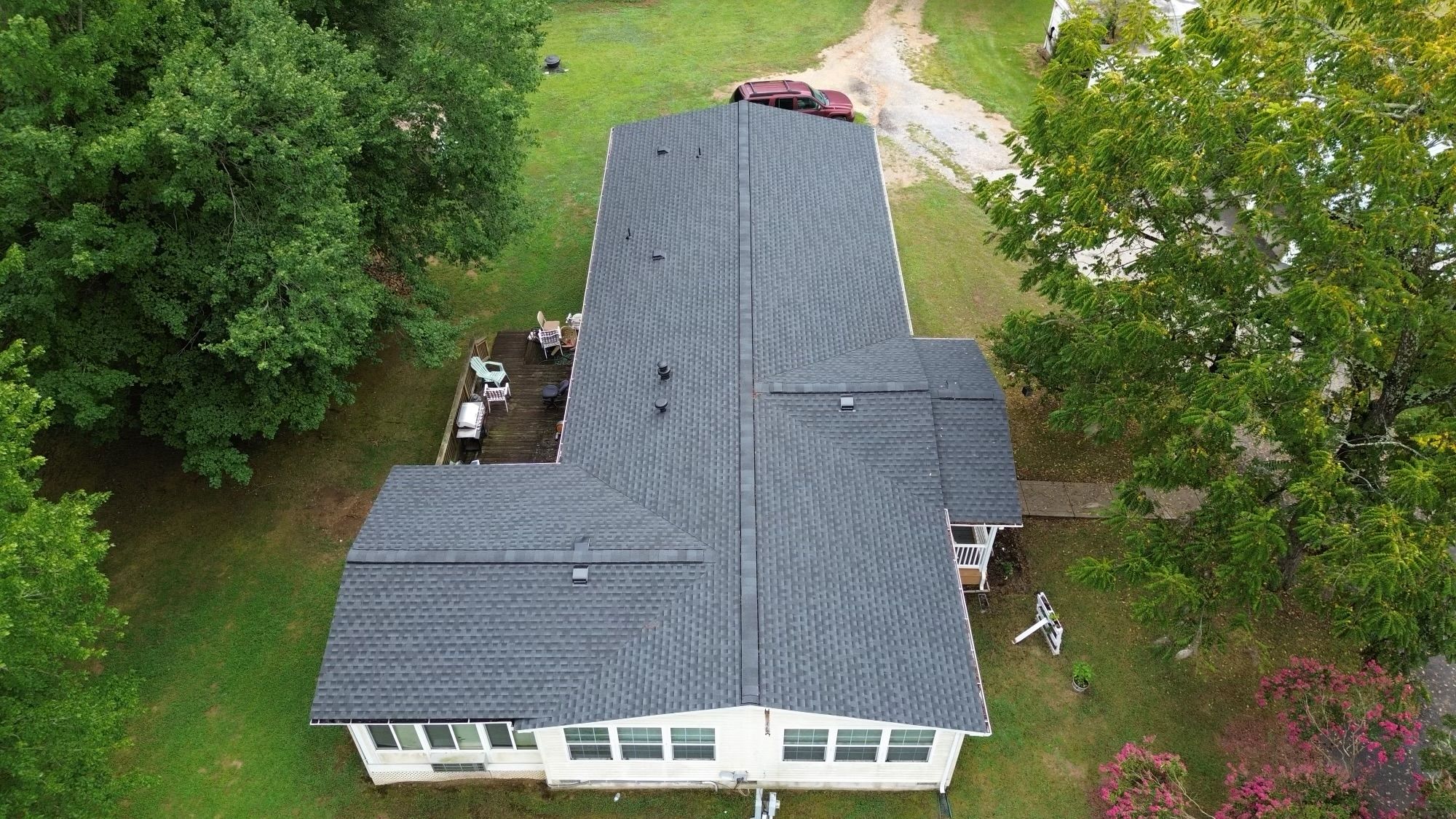
A reputable contractor will also help you assess your specific needs. Are you looking for insulation that minimizes energy loss? Or perhaps you want materials that can withstand extreme weather conditions? By discussing these factors with a professional, you ensure that your choices align not only with sustainability goals but also with practical performance considerations.
Key Considerations When Selecting Sustainable Materials
When faced with the task of choosing sustainable materials for your roofing project or any construction work, keep several key considerations in mind:
Material Origin: Look for locally sourced materials whenever possible. This reduces transportation emissions and supports local economies.
Durability: Select materials that offer longevity. While initial costs may be higher for durable options like metal or slate roofs, their lifespan often outweighs cheaper alternatives.
Energy Efficiency: Insulation materials play a crucial role in energy efficiency. Products such as cellulose made from recycled paper can significantly reduce heating and cooling needs.
Recyclability: Consider how easily materials can be recycled at the end of their life cycle. Metal roofs, for instance, are highly recyclable.
Certifications: Look for eco-labels or certifications indicating that products meet sustainability standards set by recognized organizations.
These points serve as guidelines when consulting with professionals who specialize in sustainable construction practices.
Common Sustainable Roofing Materials
Several environmentally friendly roofing options stand out due to their performance characteristics and overall sustainability:
- Metal Roofing: As mentioned previously, metal roofs are incredibly durable and recyclable. They reflect sunlight effectively and often come with warranties lasting 30 years or more. Slate Tiles: Slate is one of the most durable roofing materials available today. It is naturally occurring and requires little processing compared to synthetic alternatives. Wood Shakes: Sourced from renewable forests, wood shakes provide natural insulation and aesthetic appeal but require proper maintenance to maximize lifespan. Synthetic Roofs: Innovative technologies have led to synthetic roofing solutions that mimic traditional styles while being lighter and more durable than natural options. Green Roofs: Though more complex to install, green roofs provide excellent insulation while contributing positively to urban biodiversity.
Each material has its unique advantages and drawbacks; therefore, engaging a knowledgeable contractor can help ascertain which option suits your specific context best.
Collaborating With Your Roofing Contractor
Once you have an idea of what sustainable materials might work for your project, collaborating closely with your roofing contractor becomes crucial for successful implementation.
Start by discussing your vision and budget openly so they can tailor recommendations accordingly. An experienced contractor will conduct a thorough analysis of your property’s design elements and environmental factors before suggesting suitable options.
Moreover, ask questions about installation techniques specific to sustainable materials—some may require specialized skills or tools not commonly used in traditional projects. Understanding these requirements upfront helps prevent unanticipated costs later on.
Assessing Costs vs Benefits
Many homeowners hesitate when considering sustainable materials due to perceived high upfront costs compared to conventional options like asphalt shingles or concrete tiles. While it is true that some sustainable choices may carry higher initial price tags, analyzing long-term benefits offers clarity.
Consider energy savings from better insulation properties leading directly to reduced utility bills over time; many homeowners report savings ranging between 20 percent up to 50 percent annually after transitioning to energy-efficient solutions such as reflective metal roofs or insulated panels.
Furthermore, investment in quality sustainable roofing increases property value significantly—homes equipped with eco-friendly features often sell faster than those without them due primarily because buyers are increasingly aware of environmental impacts associated with housing decisions today.
It is wise also to explore potential tax incentives offered by local governments encouraging adoption of greener building practices—these financial breaks further mitigate initial costs associated with installing eco-friendly roofs.
Addressing Common Misconceptions
There are common misconceptions surrounding sustainable building practices that need addressing:
- Sustainability Means Compromised Quality: Many believe that opting for green alternatives comes at the expense of quality; however this isn’t necessarily true—many sustainably sourced products outperform traditional ones regarding durability. High Initial Costs Are Unmanageable: While some eco-friendly options do require greater upfront investment than standard choices there exist numerous financing opportunities available today aimed specifically at supporting homeowners making green upgrades. Limited Options Exist: The market has evolved rapidly over recent years providing an extensive range of innovative solutions catering specifically towards various aesthetic preferences while maintaining environmental integrity—there’s something out there regardless what style resonates most deeply within you!
Engaging knowledgeable professionals allows overcoming these myths effectively empowering informed decision-making rooted firmly within reality rather than assumptions based solely on outdated beliefs https://griffinwtuc773.fotosdefrases.com/understanding-the-costs-involved-with-roofing-contractors-in-prince-frederick surrounding sustainability initiatives within construction sectors overall landscape shifting rapidly toward greener methodologies embraced worldwide now more than ever before!
Conclusion
Choosing sustainable building materials represents not only a commitment towards preserving our planet but also offers tangible benefits tied directly into economic realities underpinning modern society today—from lowering utility bills through enhanced energy efficiency all way boosting resale values homes outfitted thoughtfully employing eco-conscious strategies across board!
Consulting experienced roofing contractors ensures making sound choices aligned both aesthetically pleasing functionally effective while remaining socially responsible! Take advantage experts’ insights leveraging tools resources available enhance journey toward creating healthier living environments benefiting everyone involved along way!